Diabetes survey

Diabetes survey

Aarogya yoga evam rasahar shodh samiti

286/2A, Saket Nagar, Bhopal Ph. 2452186


            Diabetes is a growing epidemic all over the world, particularly in India. According to the World health Organisation, India had over 61 million diabetes patients in 2010. The expected figure for 2030 is 80 million. 

Swami Vivekananda Yoga Anusandhana Samsthana, Bangalore, started a nationwide ‘Stop Diabetes movement’ to eliminate diabetes. To support it, Arogya Yoga evam Rasahar Shodha Samiti, Bhopal has started a survey of diabetics. We hope that people will support this program. The form provided is an obesity survey. In the coming months we will provide Yoga & Rasahar  to those in need who participate in this survey. So those suffering from multiple problems associated with diabetes, will get relief, and in future will not be dependent on medicines.

Purnima Datey                      Parul Kekre

   9425027273                       8989096659

Survey for Diabetes patients

Name ____________________________________________________

Address______________________________________________________

Mo.                                                                     E-mail

Weight____ Height______Age_______Gender______ Marital status______

Family History- Mother/Father/Siblings            Education___________

Latest report    FBS ______ PPBS________ Existing Medicine________

Alchohol/Smoking/Tobacco/Veg/non Veg       

Other associated problems – BP/ Heart/Eyes/Ears/Limbs/Digestion/Skin/

Others_____________________ Income group- Higher /Middle /Low Occupation– Service/Self/Retired/HW/Farmer/Student/Other____________

 Food time –Morning_____, Afternoon______, Evening_____, Night_____

Date________                                                                   Signature________ 

वर्षा ॠतु में पथ्य अपथ्य एवं स्वास्थ्य रक्षा Wholesome and Unwholesome Practices & (Pathya-Apathya) & Health care in Rainy season

वर्षा ॠतु में पथ्य अपथ्य एवं स्वास्थ्य रक्षा Wholesome and Unwholesome Practices & (Pathya-Apathya) & Health care in Rainy season

मालवा में एक कहावत प्रचलित है।

सावन साग और भादो दही

मरिहो नहीं तो पडि़हो सही

अर्थात् सावन में हरी साग और भादो माह में दही का सेवन करोगे तो मर भले ही न जाओ, बीमार अवश्य पड़ाेगे। कहावत बड़ी वैज्ञानिक है। सावन में पानी प्रदूषण युक्त होता है। कृमि कीटों की भरमार होती है। बाजार में मिलने वाले हरे साग प्रदूषित पानी कीटों इल्लियों आदि से युक्त होते हैं। इन्हें खाने पर थोड़ी भी लापरवाही हमें रोगी बना सकती है। दही अभिष्यंदी होता है। अर्थात् हमारे शरीर की रसवाही शिराओं में अवरोध करके रोग पैदा करता है। वर्षा ॠतु मेंं यूं ही पाचन शक्ति अपने न्यूनतम स्तर में रहती है। ऐसे में रक्त या रसों का संचार धीमा होने पर हम अवश्य रोगग्रस्त हो जाएंगे। वर्षा ॠतु में हमारे शरीर के अन्दर पहले से बढ़ चुका वात अपने प्रभाव दिखाना प्रारम्भ करता है। शरीर मे पित्त और कफ का संचय भी इसी ॠतु में होता है। जो ॠतु बदलने पर आने वाले समय में अपना प्रभाव दिखाते है। जैसे ठंड में कफ और गर्मियों में पित्त। इसका अर्थ यह है कि हम अपने शरीर में रोग होने का वातावरण कम से कम 3 माह पूर्व ही तैयार कर लेते है। जब रोग होता है तो वह रोग विशेष का  उभार ही होता है। तीव्र रोगों के उभार अचानक बढ़ते हैं और विकार शरीर से बाहर निकलने पर तुरन्त समाप्त हो जाते हैं। जीर्ण रोगों के उभार वास्तव में शरीर के किसी अंग की विकृति या निष्यक्रियता के कारण होते हैं। जैसे मधुमेह होने पर पेनक्रियास की निष्यक्रियता के कारण शरीर में ग्लूकोज का उपयोग कोशिकाएं नहीं कर पातीं और शरीर में कमजोरी आती है। जीर्ण रोग मनुष्य की वर्षों पुरानी भूलों का परिणाम हैं। ये तीव्र रोगों को दबाने के कारण भी हो जाते हैं।

आहार नियमों का पालन ॠतुओं को ध्यान में रख कर किया जाना चाहिए इसलिये हमें यह जानना आवश्यक है कि किस ॠतु कौन से रोग हो सकते हैं और कौन से खाद्य पदार्थ हमें उन रोगों से बचा सकते हैं। वर्षा ॠतु में वात की प्रबलता होती है। अत: मधुर अम्ल और लवण रसों का सेवन सीमित मात्रा में करना चाहिए। मधुर और अम्ल रस का सेवन आवश्यकता से अधिक करने पर कफ संचय होगा और शीत ॠतु में कफ विकार बढ़ने की सम्भावनाएं रहेंगी। लवण रस यद्यपि अग्निवर्धक होता है, परन्तु अधिक मात्रा में इसका सेवन करने से बल का ह्सा होने लगता है।

वर्षा ॠतु में पसीना अधिक आता है जिससे पसीने के साथ शरीर के कुछ खनिज लवण भी निकल जाते हैं इन सभी की पूर्ति के लिये विटामिन सी युक्त पदार्थ, अंकुरित अनाज का सेवन करना चाहिए। नींबू, मौसम्बी, अनार, जामुन इस मौसम के योग्य फल हैं। शरीर में अग्नि मन्द होने के कारण पेट सम्बन्धी रोग होने की सम्भावनाएं अधिक रहती हैं। अत: अदरक या सोंठ का सेवन नियमित रूप से करना चाहिए। गिलेाए, गेहू¡ के जवारे का रस, पोदीना, भुई आँवला, ग्वारपाठा आदि वनौषधियों का रस इस ॠतु में लाभदायक है। पानी सम्भवत: उबाल कर पियें और यदि आपके आस-पास मौसमी बुखार का जोर अधिक हो तो पानी उबालते समय एक मुठ्ठी अजवाईन 1 लीटर पानी में डालकर उबालें। दही और छाछ इस ॠतु में पूर्णत: वर्ज्य रखें। बाजार से पत्तेदार सब्जियां न खरीदें। कटहल बैंगन, फूलगोभी, भिंडी आदि वात वर्धक सब्जियों से भी इस ॠतु में बचें। लौकी, परवल, टिंडे, ककोरे, बरबट्टी, गिलकी, तुरई शलजम, चुकन्दर आदि सब्जियां इस ॠतु में खाई जा सकती हैं। दालों में भी मूंग की दाल का प्रयोग इस ॠतु में अधिक करें। हिन्दू परम्पराओं के अनुसार सावन से चातुर्मास प्रारम्भ होता है। इन चार माह में ही अधिकांश उपवास होते हैं। उपवास से हमारे अन्दर आकाश तत्व की वृद्धि होती है। आंतों की सिकुड़ने और फैलने की प्रक्रिया में वृद्धि हो कर खाए हुए भोजन का पाचन आसानी से होता है और मल भी बाहर निकलना सहज हो जाता है। इससे पाचन तंत्र सही बना रहता है। चातुर्मास में एक समय भोजन की भी परम्परा है। चातुर्मास में भोजन का हल्का और सुपाच्य रखने के लिए प्याज लहसुन बैंगन को वर्जित कर दिया गया है। इसके पीछे उद्देश्य यही है कि हल्का भोजन किया जाए। जैन परम्परा के अनुसार चार माह तक प्रवास भी वर्जित होता है। इसके पीछे कारण यह है कि मनुष्य अत्यधिक श्रम साध्य कार्य इन चार माह में न करें। इस वर्ष चातुर्मास 7 जुलाई 2025 को देवशयनी एकादशी से 2 नवंबर 2025 तक रहेगा। 

वर्षा ॠतु में भाप स्नान अवश्य करना चाहिए ताकि त्वचा के रोमछिद्र खुल जाएं और पसीने के साथ विजातीय द्रव्य शरीर से बाहर निकल जाएं। इसी तरह मालिश भी इस ॠतु में प्रभावी है। मालिश से शरीर में रक्त संचार की गति मिलती है और आन्तरिक र्जा में वृद्धि होती है। वर्षा ॠतु में कुछ निषिद्ध कर्म भी है। जैसे पूर्व से आई हुई हवा का सेवन नहीं करना चाहिए इससे वात वृद्धि की सम्भावनाए बढ़ती है। वर्षा ॠतु में अधिक धूप अथवा ओस का सेवन न करें। प्रतिदिन मैथुन भी इस ॠतु में वर्जित है। नदी के जल का उपयोग न करें क्योकि वातावरण में प्रदूषण अधिक होता है। दिन में सोना इस ॠतु में अहितकर माना जाता है। रूखा भोजन न करें। 

A Traditional Saying from Malwa In Malwa, a popular saying goes: “Sawan greens and Bhadon curd—if not fatal, they’ll surely make you ill.” This folk wisdom is deeply scientific. During the monsoon months of Sawan and Bhadon, water becomes contaminated and insect populations surge. Leafy greens sold in markets are often exposed to polluted water and infested with worms and larvae. Even slight negligence in consuming them can lead to illness. Curd is considered abhishyandi in Ayurveda, meaning it blocks the body’s fluid channels and causes disease. Digestion is naturally at its weakest during the rainy season, and when blood or nutrient circulation slows, illness is inevitable.

During this season, the body’s accumulated Vata begins to show its effects. Pitta and Kapha also accumulate during monsoon and manifest later—Kapha in winter and Pitta in summer. This means the body begins preparing the ground for disease at least three months in advance. When illness arises, it is merely the expression of an already existing imbalance. Acute diseases flare up suddenly and resolve quickly once the toxins are expelled. Chronic diseases, however, stem from dysfunction or inactivity in specific organs—like diabetes, where pancreatic inactivity prevents glucose absorption, leading to weakness. Chronic illnesses are often the result of long-standing lifestyle errors or suppression of acute conditions.

Seasonal Dietary Discipline Dietary rules must align with seasonal changes. In the monsoon, Vata dominates, so sweet, sour, and salty tastes should be consumed in moderation. Excess sweet and sour intake can lead to Kapha accumulation, increasing the risk of Kapha disorders in winter. Though salty taste stimulates digestive fire, overconsumption can weaken physical strength.

Sweating is more frequent in the rainy season, causing loss of minerals. To replenish these, one should consume foods rich in Vitamin C and sprouted grains. Lemons, sweet limes, pomegranates, and jamun are ideal fruits for this season. Due to weak digestive fire, gastrointestinal issues are common—so ginger or dry ginger should be taken regularly. Herbal juices like giloy, wheatgrass, mint, bhui amla, and aloe vera are beneficial. Water should be boiled before drinking, and if seasonal fevers are prevalent, boil a handful of carom seeds in one liter of water. Curd and buttermilk should be strictly avoided. Avoid buying leafy vegetables from the market. Also steer clear of vegetables that aggravate Vata—like jackfruit, eggplant, cauliflower, and okra. Instead, consume bottle gourd, pointed gourd, round gourd, spine gourd, flat beans, ridge gourd, turnip, and beetroot. Among pulses, moong dal is most suitable.

Chaturmas and Fasting Traditions According to Hindu tradition, Chaturmas begins with Sawan. Most fasting rituals occur during these four months. Fasting increases the Akash element in the body, enhancing intestinal movement and digestion, and easing bowel movements. This keeps the digestive system healthy. One-meal-a-day tradition is also observed during Chaturmas. To ensure light and digestible meals, onions, garlic, and eggplant are prohibited. The intent is to keep food simple. Jain tradition also prohibits travel during these months to avoid strenuous activity. In 2025, Chaturmas will be observed from 7 July (Devshayani Ekadashi) to 2 November.

Monsoon Wellness Practices Steam baths are recommended to open skin pores and expel toxins through sweat. Massage is also effective—it improves blood circulation and boosts internal energy. Certain practices are prohibited during monsoon:

  • Avoid consuming air from the east, as it may aggravate Vata.
  • Refrain from excessive sun or dew exposure.
  • Daily sexual activity is discouraged.
  • Avoid using river water due to high pollution.
  • Daytime sleeping is considered harmful.
  • Avoid dry and rough foods.

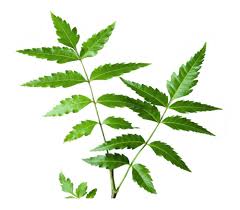
नववर्ष की नीम

Image

नीम  (Azadirachta gndica)

आप सभी ने नववर्ष का स्वागत नीम की कोपलें एक दूसरे को खिला कर किया होगा। भारत वर्ष में यह परम्परा हजारों वर्ष पुरानी है। भारत में किसी पेड़ पौधे का महत्व इस बात से जाना जा सकता है, कि वह कितनी प्रचलित परम्पराओं से जुड़ा हुआ है। बिना किसी बोझिल पढ़ाई के सामाजिक स्वास्थ्य शिक्षा का यह अनूठा तरीका हमारे पूर्वजों ने बड़ी अच्छी तरह समझ लिया था नीम को मृत्युलोक का कल्प वृक्ष कहा जाता है। क्योंकि इसकी जड़ से ले कर शिखा तक एक-एक अंग औषधी युक्त है। यह सर्व रोग नाशक है। प्रति दिन 4-5 नीम की कोमल पत्तियां खाते रहना अच्छी बात किन्तु वर्षो तक लगातार बिना कारण अधिक मात्रा में नीम पत्र खाना उचित नहीं है।

1-        यह वृक्ष प्रायः सभी पठारी भागों में पाया जाता है। किन्तु पंजाब में कम होता है। यह उष्ण प्रकृति का होता है। अरूचि और मंदाग्नि को दूर करता है। इसके कुछ महत्वपूर्ण प्रयोग निम्न लिखित है।

2-  उपद्रव रहित सामानय चेचक हो तो नीम पत्र के सिवा किसी भी औषधी का प्रयोग नहीं करना चाहिये। रोग के समय बिछौने और कमरे में चारों और नीम पत्र बिछा कर नीम पत्र के चंवर से ही रोगी को लगातार हवा करनी चाहिये। साथ ही ताजे कोमल पत्ते मुलेठी चूर्ण के साथ गोलियां बना कर खाने को देना चाहिये। ऐसा करने से ज्वर और प्यास नहीं बढ़ती। साथ ही चेचक का विष गहराई तक नहीं जाता।

3-  चेचक के फोड़े सूख जाने के बाद नीम पत्र पीस कर सोते समय लगाएं और नीम के पानी से ही रोगी को स्नान कराएं तो चेचक के दाग मिट जाते हैं।

4-  फोड़े की प्रारम्भिक अवस्था में नीम पत्र का लेप लगाने से फोड़ा सूखा जाता है। फोड़ा अधिक पक गया हो तो नीम पत्र को पीस कर उसका लेप शहद के साथ मिला कर लगाने से फोड़ा पक कर फूट जाता है। फोड़ा फूट कर सूख जाने के बाद नीम पत्र को घी के साथ लेप बना कर गर्म करने से घाव सूख जाता है।

5-  कुछ लोगों को शरीर पर हमेशा फोड़े होते रहते हैं। कुछ लोगों को मुँहासे अधिक होते हैं। ये दोनों ही रक्त दूषित होने के परिणाम हैं। ऐसे में प्रतिदिन नीम की 40-50 पत्तियां का रस पीना चाहिये। साथ ही स्नान करने के जल में नीम की पत्तियां  उबालकर डालना चाहिये।

6-  सिर अथवा पलकों के बाल झड़ते हों तो नीम के ताजे पत्तों का रस निचोड़ कर लगाना चाहिये।

7-  दाद, खाज, खुजली में भी नीम पत्र का लेप बार-बार लगाना चाहिये।

8-  मलेरिया होने पर 60 नीम पत्र और 4 कालीमिर्च के दाने एक कप पानी में पीस कर छान कर शबर्त की तरह पीने से मलेरिया ठीक हो जाती है।

9-  पथरी होने पर नीम पत्र की राख एक चम्मच में ले कर दिन में तीन बार ठंडे पानी के साथ फांक लेना चाहिये। पथरी गलकर निकल जाती है।

10-          विषैले सांप काटने पर नीम की पत्तियां चबाई जाएं तो कड़वी नही लगती। उन्हें तब तक चबाना चाहिये। जब तक कड़वापन न लगने लगे। ऐसा होने पर समझ लीजिये कि सांप का विष उतर गया।

11-          गठिया में जब जोड़ों पर सूजन भी रहती है, तो नीम की पत्तियों को उबालकर उसकी भाप से सिंकाई करने से बड़ा आराम मिलता है।

12-          उल्टी आने पर 10-20 नीम पत्र का रस छान कर पीने से किसी भी प्रकार की उल्टी थम जाती है।

13-          उच्च रक्तचाप के रोगी को नित्यप्रति लगभग 25 पत्तियों का रस खाली पेट लना चाहिये।

14-          बवासीर या अर्श होने पर प्रतिदिन नीम पत्र 21 नग लेकर मूंग की भिगोई हुई धोई हुई दाल के साथ कोई भी मसाला न मिलाते हुए पीस कर घी में तलकर खाएं। इस प्रकार 2 दिन तक इन पकौडियों को खाने से सब प्रकार के अर्शांकुर निर्बल हो कर गिर जाते हैं। ध्यान रहे कि दौरान केवल ताजा मठ्‌ठा पीकर ही रहना है।

15-          नीम पत्र के साथ कनेर के पत्तों को पीस कर मस्सों पर लेप करने से कुछ हीदिों में मस्से झड़ का गिर जाते हैं।

16-          बर्र या बिच्छु के दंश पर नीम पत्र मसल कर लगाने से शांती प्राप्त होती है।

17-          योनी में दुर्गन्ध अथवा खुजली होने पर नीम पत्र का धुंआ लेना चाहिये। थोड़े दिनों में ही योनि के अन्दर का चिपचिपापन, खुजली या दुर्गन्ध दूर हो जाती है।

18-          स्तनों से दूध निकलना बन्द करने के लिये निबौली की गिरी पीस कर स्तनों पर उसका लेप करना चाहिये

19-          कभी-कभी स्तनों में पस होकर घाव हो जाते है। ऐसे में नीम पत्र की काली राख बना कर उसमें बराबरी से सरसों का तेल मिला कर नीम की डंडी से हिलाते हुए गर्म करना चाहिये। नीम पत्र उबाले हुए पानी से स्तनों को धोकर यह तेल मिश्रित राख लगा कर ऊपर से नीम पत्र की राख बुरक दें और पट्‌टी बांध दें। घाव शीघ्र भरकर सूख जाता है।

20-          नकसीर फूटने पर नीम पत्र के साथ अजवायन मिला कर कनपटियों पर लेप करते है।

नीम के पत्तों की धूम्र रहित सफेद राख बना कर शरीर पर ऐसे स्थान पर लेप किया जहां पर स्पर्श का अनुभव न होता हो, तो पुनः स्पर्श का अनुभव होने लगता है। इस तरह राख लगाने पर से पूर्व यदि नीम के पत्तों के गर्म लेप से वहां पर सिंकाई की जाए और नीम के पानी से ही स्नान किया जाए तो अधिक लाभ मिलता है।

नीम पत्र के समान नीम की निबौली, जड़ एवं छाल के भी अनेक उपयोग हैं। किन्तु यहां आपकी जानकारी के लिये केवल नीम पत्र के उपयोग ही दिये गए है। क्योंकि नीम पत्र का उपयोग अपेक्षाकृत सरल है। इसी प्रकार नीम के फूल, नीम की गिरी और नीम का गोंद भी अत्यन्त महत्वपूर्ण स्थान रखता है। नीम की दातून का महत्व तो सर्व विदित है ही। औषधीय उपयोग के लिये नीम का अर्क एवं घी भी बना बनाया जाता है। नीम फूलों का गुलकन्द और नीम की ताड़ी बनाने के प्रयोग भी पा्रचीन ग्रन्थों में उपलब्ध हैं।

कड़वी नीम से एक दुर्लभ औषधि भी प्राप्त होती है। जिसके बारे में बहुत कम लोग जानते है। इसके बड़े पेड़ में प्रत्येक 3-4 वर्ष में एक बार नियमित रूप से एक सप्ताह भर कुछ जल टपकता है। इसे कड़वी नीम की गंगा कहते हैं।

      नीम का वृक्ष जहां लगा हो वहां आस-पास का वातावरण स्वच्छ शुद्ध और ताजा रहता है। नीम को कीटनाशक के रूप में फसलों पर भी प्रयोग में लाया जाता है।

You all must have welcomed the New Year by feeding each other tender neem leaves. This tradition in India is thousands of years old. The significance of a tree or plant in India can be understood by how deeply it is connected to prevalent traditions. Our ancestors had wisely devised this unique method of social health education without any burdensome studies. Neem is called the “Kalpavriksha” (wish-fulfilling tree) of the mortal world because every part of it, from its roots to its leaves, is medicinal. It is a universal disease healer. Consuming 4-5 tender neem leaves daily is beneficial, but consuming them in large quantities continuously for years without any reason is not advisable.

  1. This tree is commonly found in almost all plateau regions, but it is rare in Punjab. It has a warm nature and helps to alleviate loss of appetite and weak digestion. Some of its important uses are listed below.
  2. If a person suffers from mild, uncomplicated chickenpox, no other medicine should be used except neem leaves. During the illness, neem leaves should be spread around the bed and room, and the patient should be continuously fanned using neem leaves. Additionally, fresh tender neem leaves should be made into tablets with licorice powder and given to the patient. This prevents fever and excessive thirst while also stopping the spread of the chickenpox virus.
  3. After the chickenpox sores dry up, applying a neem leaf paste before sleeping and bathing the patient with neem-infused water helps remove scars.
  4. In the early stages of a boil, applying a neem leaf paste dries it up. If the boil is more severe, applying a paste of neem leaves mixed with honey helps it mature and burst. After the boil has burst and dried, applying a paste of neem leaves with ghee and warming it helps heal the wound quickly.
  5. Some people frequently suffer from boils, while others have severe acne due to impure blood. In such cases, drinking the juice of 40-50 neem leaves daily and bathing with neem-infused water helps purify the blood.
  6. If hairs from the scalp or eyelashes are falling, applying the juice of fresh neem leaves helps prevent hair loss.
  7. For ringworm, scabies, and itching, applying neem leaf paste frequently provides relief.
  8. For malaria, grinding 60 neem leaves with four black peppercorns in a cup of water and drinking it like a sherbet cures malaria.
  9. For kidney stones, consuming one teaspoon of neem leaf ash with cold water three times a day helps dissolve and expel the stones.
  10. If a venomous snake bites a person and he/she chew neem leaves, the leaves will not taste bitter. The person should continue chewing until the bitterness returns, indicating that the venom has been neutralized.
  11. For arthritis with swollen joints, steaming the affected area with boiled neem leaves provides relief.
  12. For vomiting, drinking the filtered juice of 10-20 neem leaves stops vomiting of any kind.
  13. Patients with high blood pressure should drink the juice of about 25 neem leaves on an empty stomach daily.
  14. For piles (hemorrhoids), grind 21 neem leaves with soaked and cleaned moong dal, fry in ghee without adding any spices, and eat these fritters for two days. This weakens and eliminates hemorrhoids. During this treatment, only fresh buttermilk should be consumed.
  15. For warts, applying a paste of neem leaves mixed with oleander leaves makes them fall off in a few days.
  16. For wasp or scorpion stings, crushing neem leaves and applying them to the affected area provides relief.
  17. For vaginal odor or itching, inhaling the smoke of burnt neem leaves through vegina helps remove stickiness, itching, or foul odor in a few days.
  18. To stop breast milk secretion, grinding neem seeds into a paste and applying it to the breasts helps.
  19. Sometimes, pus accumulates in the breasts, leading to wounds. In such cases, prepare black ash from neem leaves, mix it equally with mustard oil, heat it while stirring with a neem twig, and apply it after washing the breasts with neem-infused water. Sprinkle neem ash on top and bandage the area. This helps heal the wound quickly.
  20. For nosebleeds, applying a paste of neem leaves mixed with ajwain (carom seeds) on the temples helps stop the bleeding.

Neem leaf ash, when applied to numb body parts, restores sensation. For better results, warm compressing with neem leaf paste before application and bathing with neem-infused water is recommended.

Similar to neem leaves, neem seeds, roots, and bark also have multiple uses. However, this list includes only neem leaf applications for easier understanding. Neem flowers, neem seeds, and neem gum are also highly valuable. The benefits of neem twigs for oral hygiene are widely known. Neem extracts and neem-based ghee are also prepared for medicinal use. Ancient texts even mention making neem flower preserves and neem toddy.

A rare medicinal substance is obtained from bitter neem trees, which very few people know about. Every 3-4 years, large neem trees naturally secrete a liquid for about a week, known as the “Ganga of Bitter Neem.”

Neem trees purify and freshen the surrounding environment. Neem is also used as an insecticide in agriculture.


घर पर बना शुद्ध च्यवनप्राश

घर पर बना शुद्ध च्यवनप्राश

सामग्री-
1 किलो अच्छे बड़े आँवले, 2.5 किलो गुड़, 15 ग्राम लेन्ड़ी पीप्पली, 10 ग्राम वंशलोचन, 5 ग्राम लौंग, 5 ग्राम छोटी इलाईची, 15 ग्राम सोंठ, 5 ग्राम नागकेशर, 5 ग्राम जावित्री, 1.25 किलो शहद, 1चम्मच श्रृंगभस्म, 250 ग्राम घी, 5 ग्राम दालचीनी, इत्यादि हो सके तो प्रवाल पिष्टी ।
घर में च्यवनप्राश बनाते समय यह ध्यान रखें कि आँवला पकाने पर गुणदायी बनता है। आँवला उरःक्षत हृदयरोग, स्वरभंग द्गवास, कास, वातरक्त, पित्त, मूत्रादोष ऐसे अनेकों रोगों से दूर रखता है। रोगप्रतिकारक शक्ति बढ़ाता है। यह च्यवनप्राश हम घर में आसानी से बना सकते है।
विधि -पिसा छना आँवले का गूदा कलई के तपेले में घी डालकर लाल होने तक सेंकें। आंच मन्द हो। अच्छा सेंकने पर घी अलग होने लगता है। फिर गुड़ मिलाकर पकाएं । गाढ़ा होने पर तपेला सिगड़ी से नीचे उतारकर कपड़े से ढ़ँक दें, जिससे तपेले में मच्छर-मक्खी न जायें। दूसरे दिन ठंड़ा होने पर उसमें उपरोक्त मसाले, दवाईयाँ महीन पीसकर मिलाएं। शहद भी मिलाएं। दो घण्टे तक तपेले में ही रहने दें। फिर एक बार हिलाएं, जिससे दवाईयाँ ठीक से मिल जाएं। शहद भी ठीक से मिला हो, यह देख लें। बाद में कांच कि बरनी में भरें यह च्यवनप्राश है।
आंवला सुपारी – आंवले उबालकर बीज निकालकर उसमें नमक का घोल स्वादानुसार मिला दें। 5-6 दिन सुखा दें।
आंवला द्गारबत – पके आँवलें पीसकर उनका रस निकालें। अंदाज से तीन गुना शक्कर डालकर पक्की चासनी बना लें। यह चासनी गाढ़ी हो। चासनी होने पर गैस बन्द करें। ऊपर मलाई जैसी परत ना जमे इसलिये आधा घण्टे तक बीच-बीच में कलछी से हिलाते रहें। जिससे द्यशरबत अच्छा बने। यह गाढ़ा हो तो भी पानी में ड़ालने पर घुल जाता है। यह मधुर होता है। यह शरबत दीपक, पाचक, रुचिकर होता है।
बीमारी से उठे अशक्त लोगों के लिये जो च्यवनप्राश बनाया जाता है, उसके आंवले निम्न दवाईयों के क्वाथ में उबाल जाते है। (पाटला,आर्णी,गंभारी बेल) की छाल, (शालपर्णी, पुष्ठपर्णी, कटेली, बड़ी कटेली, पीपल फाकड़द्गिांगी) के पत्ते, गोखरू, मुनक्का, हरड़, खरेंटी, भूमि आंवला। (अडूसा जीवंती कचूर नागरमोथा) के पत्ते । कमल गटा, छोटी इलाइयची, चंदन की भूसी इन सब को पानी में डालकर आठ घण्टे रखते है। वह पानी क्वाथ कहलाता है।

स्वास्थ्य सुरक्षा का अर्थशास्त्र

स्वास्थ्य सुरक्षा का अर्थशास्त्र

कुछ समय पूर्व पत्रों में पढ़ा था, कि मध्य प्रदेश शासन प्रति वर्ष हमीदिया अस्पताल में गरीबों के इलाज के लिये हृदय रोग विभाग को 1 करोड़ 60 लाख रु. की राशि आबंटित करता है। प्रति रोगी एन्ज्योग्राफी कराने का खर्च 8 हजार रु. आता है। कुछ माह में ही ये एक करोड़ 60 लाख रु. समाप्त हो जाते हैं, क्योंकि आने वाले रोगियों की तुलना मे राशि बहुुत कम है। यदि वोट की राजनीति की दृृष्टि से देखा जाए तो विपक्षी दल इस राशि को बढ़ाने की मांग करेंगे और सत्ता दल इस राशि को बढ़ा कर इस बात का प्रचार करते हुए वोट बटोरेगा। यह भी तभी सम्भव है जब वित्त विभाग इस राशि को बढ़ाने की अनुमति देगा । आने वाले समय में एन्ज्योग्राफी सहित हृदय रोग के सभी इलाजों का खर्च तथा रोगियों की संखया बढ़ती जाएगी और रुपये की आपूर्ति का रोना हमेशा बना रहेगा । रामराज्य से लेकर राजा भोज के राज्य तक सुराज के अनेक उदाहरणों से हमारे देश का इतिहास पटा पड़ा है। सुराज होने के प्रयास करने वाले राजा एवं उसके परामर्श दाताओं/मंत्रियों का विचार इस दिशा में यूं होना चाहिये कि, प्रयासों को बढ़ावा मिले जिससे या तो नए हृदय रोगी न बढ़े या उनके इलाज की कोई सस्ती पद्धति अपनाई जाए जो अपनाने से इतने ही बजट में अधिक लोगों को लाभ मिल सके। प्रजा का कार्य है, राजा की ज्ञानेन्द्रियाँ बन कर समस्या और उसके समाधान की अनुभूति राजा को कराए। जो जिस क्षेत्रा में अनुभव और ज्ञान रखता हो वह अपना अनुभव और ज्ञान राजा तक पहुंचाए और परामर्श दाता राजा को उन्हे अपनाने या न अपनाने का परामर्श दें। ऐसी ही एक अनुभूति इस लेख के माध्यम से मै राजा एवं उनके परामर्श दाताओं तक पहुंचाना चाहती हूँ जो जागरुक पाठकों के समक्ष प्रस्तुत है।
श्रद्धेय आचार्य श्री राम शर्मा से ले कर बाबा रामदेव जी तक अथवा उससे पूर्व भी अनेक ज्ञानी और परिश्रमी अध्ययनकर्ताओं ने स्वस्थ होने के प्राकृतिक उपायों पर गहन अध्ययन किये है। मिट्टी, पानी, धूप हवा के अतिरिक्त भी ऐसे पेड़ पौधों के औषधीय उपयोग जो भारत में अनेक स्थानों प्रचुर मात्रा में उपलब्ध हैं रोगों के उपचारों के लिये किये जाते रहे हैं। इसी का परिणाम है कि आज अधिकांश भारतीय इन औषधीय पेड़ पौधों के व्यावहारिक उपयोग में विश्वास रखते हैं। इन अधिकांश भारतीयों में वे नीतिनिर्धारक तथा उनके परिवार वाले भी सम्मिलित हैं, जो एलोपैथिक दवावों और मंहगे विदेश से आयात उपकरणों के लिये भारत जैसे गरीब और प्रगतिशील राष्ट्र की सीमित राशि स्वीकृत करते हैं। दुःख की बात है कि इतने सर्वविदित, सर्वमान्य और प्रमाणित वस्तुओं का उपयोग शासकीय स्तर पर करने में आज भी सकुचाहट है। शासन चाहे तो आज ही करोड़ों का बजट ऐसी दुकानों को सब्सीडी देने के लिये स्वीकृत कर सकता है जिनमें ताजे फल, लौकी, आँवला या गेंहू के जवारे के रस मिलते हों। ऐसे बाजारों और उत्पादन कम्पनियों के लिये एसईजेड (स्पेशल इकॉनानिक जोन) बनाने पर विचार किया जा सकता है जिनके माध्यम से कम से कम मूल्यों पर ये सभी वस्तुएं सहजता से उपलब्ध हों। यह चक्र यदि चल जाए तो अनेक बातें स्वयमेव सम्भव हो जाएंगी। लोगों की रुचि इस व्यवसाय में आने के लिये बढ़ेगी, जिसका सम्बन्ध सीधे खेती से है। बिजली, प्लास्टिक, इलेक्ट्रॉनिक उपकरणों एसी और प्रदूषण जैसी अनेक घातक चीजों से मानव और पर्यावरण दोनों को बचाया जा सकेगा। अधिक लोगों के खेती से जुड़ने का अर्थ है शारीरिक मेहनत को बढ़ावा देना । हृदय रोग होने की सम्भावनाएं ही इससे समाप्त होने लगेंगी। उपभोगवाद के दुश्चक्र से कर्मवाद के सुचक्र में छंलाग लगाना है, तो जन जागरण के साथ नेतृत्व जागरण भी आवश्यक है। पाठक जन इस बात को नेतृत्व तक पहुंचाने मे मेरा सहयोग करेंगे ऐसा विश्वास है।

(6 रसाहार केंद्रों की पते सहित सूचि) Locations of All 6 Rasahara kendras

(6 रसाहार केंद्रों की पते सहित सूचि) Locations of All 6 Rasahara kendras

Address list of Six Rasahara kendras-

Aarogya Rasahara Kendra- 286, 2A Saket nagar, Bhopal (MP) 9407515424, 8871112770

Saraswati Rasahara Kendra- Rohit Nagar, Bhopal (MP) 8458955791, 7974927772

Pamal Rasahara Kendra- A 39 Aadarsha Nagar Bhopal (MP) 9098073585

Amrut Rasahara Kendra- M, 139, ESSRG, Poorvanchal phase 2, Khajoorikala, Bhopal (MP) 9981424596

Sajeev Rasahara Kendra- Junior MIG, D-265, Near Mansadevi Mandir, Nehru Nagar, Bhopal 8435733246

Shree Sadguru Rasahara kendra, 22, Faithkala Empire, 1km from Mansarovar College 7489728625

आरोग्य रसाहार केंद्र- 286, 2 ए साकेत नगर, एम्स के पास, 9407515424, 8871112770

पमल रसाहार केंद्र- ए -39 आदर्श नगर, नहर के पास होशंगाबाद रोड, 7000856753

सरस्वती रसाहार केंद्र- 8458955791, 7974927772

अमृत रसाहार केन्द्र- एम 139 ESSRG पूर्वांचल फेस 2 खजूरी कलां भोपाल, 9981424596

सजीव रसाहार केंद्र- जूनियर MIG, D-265, कोपल स्कूल के पास नेहरू नगर 8435733246

श्री सद्गुरु रसाहार केंद्र- 22 फेथकला एंपायर, मानसरोवर डेंटल कॉलेज के आगे कोलार 7489728625

ग्रीष्म ऋतु (ज्येष्ठ, आषाढ़) में क्या हो स्वास्थ्य विचार

ग्रीष्म ऋतु (ज्येष्ठ, आषाढ़) में क्या हो स्वास्थ्य विचार

आयुर्वेद में वर्ष को दो भागों में बांटा गया है। उत्तरायण एवं दक्षिणायन। यूं तो जब सूर्य थोड़ा सा दक्षिण दिशा की ओर सरक कर उदय होता है तो वह समय दक्षिणायन का होता है। इस समय दिन छोटे और रातें बड़ी होती हैं। शिशिर, वसन्त और ग्रीष्म ऋतु में उत्तरायण होता है, जबकी वर्षा शरद् और हेमन्त ऋतुएं दक्षिणायन की होती हैं। स्वास्थ्य की दृष्टि से देखा जाए तो हेमन्त और शिशिर ऋतुएं उत्तम स्वास्थ्य की होती हैं। आगे आने वाली ऋतुएं ग्रीष्म और वर्षा, हीन-स्वास्थ्य की ऋतुएं कहलाती हैं। अतः हमें इस समय सुरक्षा के इतने उपाय कर लेने चाहिये कि आक्रमणकारी रोग रूपी दुश्मनों की सेना का मुंहतोड़ जवाब हम दे सकें। संचय अर्थात् शरीर में त्रिदोषों के जमा करने का समय। प्रकोप अर्थात् उन दोषों का अपने पूर्ण प्रकोप के साथ हमारे शरीर को कष्ट देने का समय। प्रशम अर्थात् उन दोषों का क्षीण हो कर निष्क्रिय हो जाने का समय। ये तीन काल प्रत्येक दोष-वात, पित्त और कफ के लिये अलग-अलग होते हैं। उदाहरण के लिये ग्रीष्म ऋतु में शरीर में वात दोषों का संचय होता है। अर्थात् वात रोग से पीड़ित लोगों को ग्रीष्म में वात रोग से कष्ट तो नहीं पहुंचता किन्तु वात रूपी दुश्मन की सेना उसके शरीर में जमा होना प्रारम्भ हो जाती है। यह सेना वर्षा ऋतु आते ही उन पर आक्रमण करती है। ऐसे रोगी की बुद्धिमत्ता इसी में है कि वह वात रोग को शरीर में एकत्र करने वाले काम न करें। इसी प्रकार कफ रोगों का यह प्रशम काल है। अर्थात जिन्हें कफ वृद्धि सम्बन्धी रोग होते हैं उन्हें इस ऋतु में आराम मिलता है। यहां कफ को केवल बल्गम न समझा जाए। स्थूल शरीर की स्थूलता, सुस्ती अतिनिद्रा आदि भी कफ वृद्धि के ही लक्षण हैं। अतः इस ऋतु में ऐसे पदार्थों का सेवन कर लेना चाहिये जो ठंडे होते हुए भी शरीर के लिये पोषक और लाभदायक हैं। वाग्भट्ट और चरक के अनुसार ग्रीष्म ऋतु में पित्त यथावत् रहता है जबकी वर्षा ऋतु आने पर ही यह संचित होना प्रारम्भ होता है। अर्थात् वर्षा ऋतु में पित्त को बढ़ाने सम्बन्धी जो भूले हम करते हैं उसके परिणाम हमें 3 माह बाद हेमन्त ऋतु में भोगने पड़ेंगे।
किसी ऋतु की समाप्ति के अन्तिम सप्ताह और नई ऋतु के प्रारम्भ के प्रथम सप्ताह में खाद्य पदार्थों को धीरे-धीरे परिवर्तित करना चाहिये। उदाहरण के लिये, शरीर में कफ कम करने वाले पदार्थ जैसे अदरक, हल्दी आदि का सेवन क्रमशः वसन्त ऋतु के अन्तिम सप्ताह में कम करके ग्रीष्म ऋतु के प्रथम सप्ताह में शीतल, हल्के, द्रव प्रधान और रसीले पदार्थों का सेवन धीरे-धीरे बढ़ाना चाहिये । इसी कारण होली पर पूरण पोळी, गुजिया आदि बनाने का चलन है।
इस ऋतु में शक्कर अथवा आमरस के साथ हाथ के कुटे चावल का भात उचित है। मिश्री, सत्तू, दूध, इस ऋतु में योग्य खाद्य पदार्थ हैं। कुछ पदार्थ जैसे आँवला, बेहड़ा हर्र आदि वात पित्त कफ तीनों को समान बनाए रखते हैं। परन्तु ग्रीष्म ऋतु में इनका सेवन गुड़ के साथ करना चाहिये।
इस ऋतु में रात्रि भोजन के साथ शक्कर मिला हुआ ठंडा दूध लें। लवण, अम्ल, कटु अर्थात् तीखे रस वाले खाद्य पदार्थ या पेय पदार्थ, ऊष्ण पदार्थ और व्यायाम इस ऋतु में वर्जित है। नवीन धान्य पदार्थ इस ऋतु में न लें। इसके अतिरिक्त संतरा मौसम्बी, सेब, सेब का मुरब्बा, आँवले का मुरब्बा, केला, चीकू अनार, अंगूर, किसमिस, मुक्ता, प्रवाल इत्यादि इस ऋतु में योग्य हैं। ये सभी पदार्थ शीतवीर्य हैं। कुछ और शीतवीर्य पदार्थ जैसे अननस, पर्णबीज, चौलाई, पत्तागोभी, लिसोड़ा, बेर, जूही, गुलाब, चमेली, कपूर, खिरनी, महुआ, चिरौंजी, शहतूत, कटहल, गूलर, पीपल, लौंग, अडूसा, मखाना, कमल, सुपारी, ताड़, खजूर, नारियल, दूब, गाजर, कत्था, इनका उपयोग ग्रीष्म ऋतु में किया जा सकता है। कुछ पदार्थ उष्ण वीर्य होते हैं जिनका उपयोग इस ऋतु में उचित नहीं है। उदाहरण के लिये बाजरा, मकई, गेंहू, चना, उड़द, तुअर, मोठ, कुलथी, भैंस का दूध, गुड़ तथा गुड़ की राब, शहद, एरंड, ककड़ी, छुहारा, अखरोट, केसर, जायफल, चुका(शाक), चिरायता, नागकेशर, लोबान, मूसली, सुदर्शन, बच, सूरण, चिलगोजा, पका हुआ नारियल, तिल्ली, मूंगफली, सोंठ मिर्च पिप्पली, जैतून, हरसिंगार, तेजपत्ता, दालचीनी, गुड़हल, भिलावा, पान, नीलगिरी, मेथी अश्वगंधा, बैंगन, आलू, रतालू, समस्त प्रकार के आसव, अरिष्ट और भस्म, ये सभी ऊष्ण वीर्य हैं। मुनक्का, बादाम, आम, धने, पका हुआ नारियल भी ऊष्ण वीर्य हैं। इसलिए मुनक्का और बादाम भिगोकर सेवन करें, आम बाजार से लाने के बाद ठंडे पानी में रखें, धने का भी पानी ही पिएं, सूखा नारियल खाने के स्थान पर कच्चा नारियल, नारियल दूध मिश्री के रूप में सेवन करें। ग्रीष्म ऋतु में मधुर रस का सेवन उचित होता है। जल मिट्टी के घड़े का होना चाहिये। जितनी इच्छा हो उतना जल इस ऋतु में योग्य है।

अत्यधिक व्यायाम, मैथुन, धूप में घूमना, दिन में निद्रा इत्यादि वर्जित माना गया है। यद्यपि 10 जून को हमारे यहां मानसून आ जाएगा पर इस वर्ष 10 जुलाई तक आषाढ़ माह रहेगा। तब तक हमारी जीवन शक्ति हमारे न्यूनतम स्तर पर रहेगी। ऐसे में बताए गए अनुसार अधिक व्यायाम न करने के सुझाव पर विशेष ध्यान दें। कुछ लोग वजन कम करने या शुगर कम करने हेतु अत्यधिक पसीना बहाने वाली मेहनत जैसे दौड़ना, रस्सी कूदना, जिम, जॉगिंग, थकाने वाले मैदानी खेल, देर तक नेट प्रैक्टिस इत्यादि करते हैं और फिर अधिक प्रोटीन का सेवन भी करते हैं। जीवन शक्ति कम होने का अर्थ पाचन शक्ति भी कमजोर होना होता है। इन दिनों में न तो आपका शरीर अधिक मेहनत सहन करेगा न ही आपका पेट अधिक प्रोटीन सहन करेगा। इसलिए हल्का भोजन करें। 21 जून को योग दिवस होता है। उस अवसर पर नियमित एक या डेढ़ घंटा योग करने की आदत डालें। भादो के बाद मेहनत वाले व्यायाम फिर शुरू कर सकते हैं।

इस ऋतु में नैऋत्य से आने वाला वायु अत्यन्त घातक है। शरीर पर सीधा गर्म वायु न लगे इसलिये मकान के बीचों बीच के कमरे में रहना चाहिये सफेद, आसमानी, गुलाबी आदि हल्के रंगो के कपड़े पहनना चाहिये जबकी लाल, काले, सुनहरे, चमकीले आदि भड़कीले रंगों से इस ऋतु में दूर रहें। बोलने का स्वर भी इस ऋतु में धीमा होना चाहिये साथ हो अल्प भाषण उचित है।

In Ayurveda, the year is divided into two parts. Uttarayan and Dakshinayan. Generally, when the sun rises after moving a little towards the south, then it is the time of Dakshinayan. At this time, days are short and nights are long. Uttarayan occurs in end of winter, spring and summer, while the seasons of rain, autumn and winter are of Dakshinayan. From the point of view of health, the seasons of Shishir and Hemant are of good health. The seasons that follow, summer and rain, are called seasons of poor health. Therefore, we should take such safety measures at this time that we can give a befitting reply to the army of enemies in the form of attacking diseases. Sanchay means the time when the three doshas accumulate in the body. Prakopa means the time when those doshas trouble our body with their full wrath. Prasham means the time when those doshas weaken and become inactive. These three periods are different for each dosha – Vata, Pitta and Kapha. For example, in summer season, Vata doshas accumulate in the body. So that, the people even who have Vata nature, do not suffer from Vata disease in summer, but the enemy army in the form of Vata starts accumulating in their body. This army attacks them as soon as the rainy season arrives. The wisdom of such a patient lies in not doing things that cause Vata disease to accumulate in the body. Similarly, this is the calm period for Kapha diseases. That is, those who have diseases related to Kapha dosha get relief in this season. Here Kapha should not be considered only as phlegm. Obesity of the body, lethargy, excessive sleep, etc. are also symptoms of Kapha dosha. Therefore, in this season, such substances should be consumed which are nutritious and beneficial for the body despite being cold. According to Vagbhata and Charak, Pitta remains the same in summer season, whereas it starts accumulating only when the sunny weather after rainy season arrives, that is Sharad Ritu. The mistakes we make in increasing Pitta in the rainy season, we will have to face its consequences 3 months later in the Sharad ritu.

Food items should be changed gradually at the end of a season and the first week of the beginning of a new season. For example, the consumption of substances that reduce phlegm in the body such as ginger, turmeric etc. should be gradually reduced in the last week of spring season and the consumption of cool, light, liquid based and juicy substances should be gradually increased in the first week of summer season. This is the reason why there is a practice of making puran poli, gujiya etc. on Holi.

In this season, bhaat (cooked rise) of hand pounded rice with sugar or mango juice is appropriate. Mishri, sattu, milk are suitable food items in this season. Some substances such as amla, behada harra etc. keep the vata, Pitta and Kapha equal. But in summer season, these should be consumed with jaggery.

In this season, take cold milk mixed with sugar with dinner. Salt, acid, bitter or pungent food items or drinks, hot items and exercise are prohibited in this season. Do not take newly produced cereals in this season. Apart from this, orange, sweet lime, apple, apple jam, gooseberry jam, banana, sapota, pomegranate, grapes, raisins, pearls, coral etc. are suitable in this season. All these items are Sheeta Virya. Some other Sheeta Virya items like pineapple, grass, seeds, amaranth, cabbage, lisoda, plum, juhi, rose, jasmine, camphor, khirni, mahua, chironji, mulberry, jackfruit, fig, peepal, clove, adoosa, makhana, lotus, betel nut, palm, date palm, coconut, grass, carrot, catechu, can be used in summer season. Some substances are Ushna viryas, which are not appropriate to be used in this season. For example, millet, corn, wheat, gram, urad, tuar, moth, horse gram, buffalo milk, jaggery and jaggery molasses, honey, castor, cucumber, dates, walnuts, saffron, nutmeg, chuka (vegetable), chiraita, nagkeshar, frankincense, musli, sudarshan, bach, yam, pine nuts, ripe coconut, sesame, peanuts, dry ginger, pepper, long pepper, olive, harsingar, bay leaf, cinnamon, hibiscus, bhilwa, betel leaf, eucalyptus, fenugreek, ashwagandha, brinjal, potato, sweet potato, all types of infusions, arishta and ash, all these are Ushna viryas. Raisins, almonds, mango, coriander, ripe coconut are also Ushna viryas. Therefore, soak raisins and almonds before consuming them, keep mangoes in cold water after bringing them from the market, drink only coriander water, eat raw coconut, coconut milk in the form of Rasahara instead of eating dry coconut. In summers, it is appropriate to consume sweet juice. Drinking water should be kept an earthen pot. As much water as you want is appropriate in this season.

Excessive exercise, sex, walking in the sun, daytime sleep, etc. are considered prohibited. Although monsoon will arrive in Bhopal on 10th June, the month of Aashadh will remain till 10th July this year. Till then our life force will be at its lowest level. In such a situation, pay special attention to the advice given not to do excessive exercise. Some people do excessive sweating work like running, rope jumping, gym, jogging, tiring field games, long net practice, etc. to reduce weight or sugar and then also consume more protein. Low life force also means weak digestive power. During these days, neither your body will tolerate more work nor your stomach will tolerate more protein. Therefore, eat light food. Yoga Day is on 21st June. On that occasion, make it a habit to do yoga regularly for one or one and a half hours. After Bhado, you can start strenuous exercises again.

In this season, the wind blowing from the southwest is extremely harmful. To avoid direct hot wind on the body, one should stay in the middle room of the house, wear clothes of white, sky blue, pink etc. light colors, while stay away from red, black, golden, shiny etc. bright colors in this season. The voice of speaking should also be slow in this season and short speech is appropriate.

New researches enforce old Ayurveda scripture

New researches enforce old Ayurveda scripture

Nanci Hellmich, USA TODAY11:49a.m. EST January 30, 2013

In a new study, late lunch eaters had lower insulin sensitivity, which is a risk factor for diabetes.


(Photo: H. Darr Beiser, USA TODAY)

STORY HIGHLIGHTS

  • Researcher: Meal timing may affect weight loss
  • Those who eat a late lunch more likely to skip breakfast
    • Consider eating breakfast like a king, lunch like a prince, dinner like a pauper

Dieters have long been told not to eat too many calories late in the day.

Now, a new study suggests that dieters who eat lunch early lose more weight than those who eat a late lunch.

“We should start to consider meal timing in addition to calories and meal composition when thinking about weight loss,” says the study’s senior author Frank Scheer, an associate neuroscientist at Brigham and Women’s Hospital and an assistant professor of medicine at Harvard Medical School.

To come to this conclusion, Scheer and researchers at the University of Murcia in Spain and Tufts University in Boston, studied 420 overweight and obese people who participated in a 20-week weight-loss program in Spain.

The mid-day meal is often the biggest one of the day in this Mediterranean culture. Participants consumed about 40% of their daily calories (roughly 550 to 570) at lunch.

Half of the participants were considered early eaters because they had lunch before 3 p.m. Half were classified as late eaters because they had their mid-day meal after 3 p.m.

Overall, participants consumed an average of about 1,400 calories a day during the weight-loss program. There was no significant difference in caloric intake or energy expenditure between late lunch and early lunch eaters.

Among the findings reported Tuesday in the International Journal of Obesity:

— Those who ate lunch earlier in the day lost an average of 22 pounds in 20 weeks; those who ate lunch later lost about 17 pounds.

— The late eaters consumed fewer calories during breakfast and were more likely to skip breakfast than early eaters. (Dieters are often advised to eat breakfast.)

— The late lunch eaters had lower insulin sensitivity, which is a risk factor for diabetes.

“We cannot directly translate these findings to Americans, but we would expect that a later dinner — the main meal for most Americans — might similarly impair weight loss, ” Scheer says. “But research is required to test that.”

He says researchers don’t know why weight loss was greater in the early eaters, but one hypothesis is that glucose (sugar) is processed differently depending on the time of day. Another theory is that the timing of meals can impact the circadian system (the body’s clock) which may disrupt the proper function of the liver and fat cells, Scheer says.

Elizabeth Ward, a registered dietitian in Boston and author of MyPlate for Moms: How to Feed Yourself and Your Family Better, says this “an interesting study, but it’s an observational study, so it doesn’t prove cause and effect. If you cut back on your calories at any time of the day, you will lose weight.”

Still, the research indicates that if you eat your calories earlier in the day, it may give you an edge with weight loss, Ward says.

She says there may be some truth to the old adage: “Eat breakfast like king, lunch like a prince and dinner like a pauper.”

Theme: Overlay by Kaira
Bhopal, India